A Ten-Mile Loop
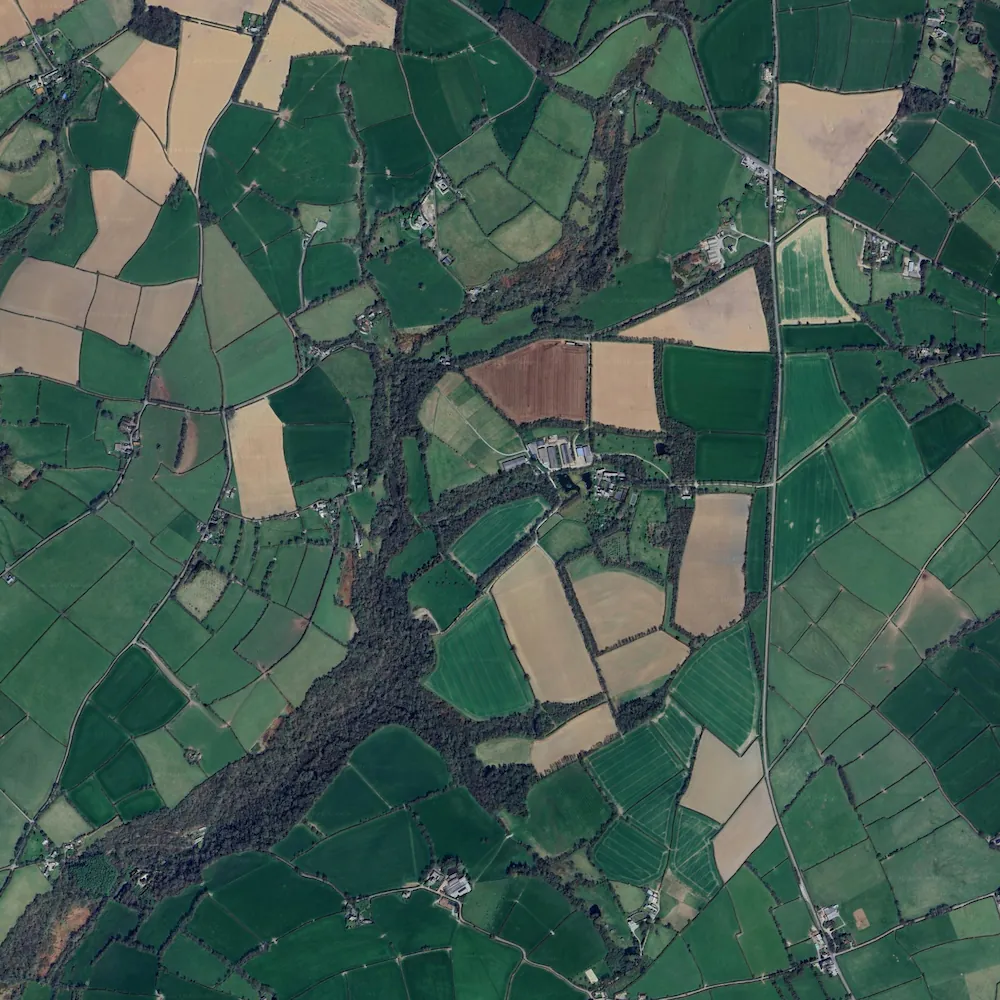
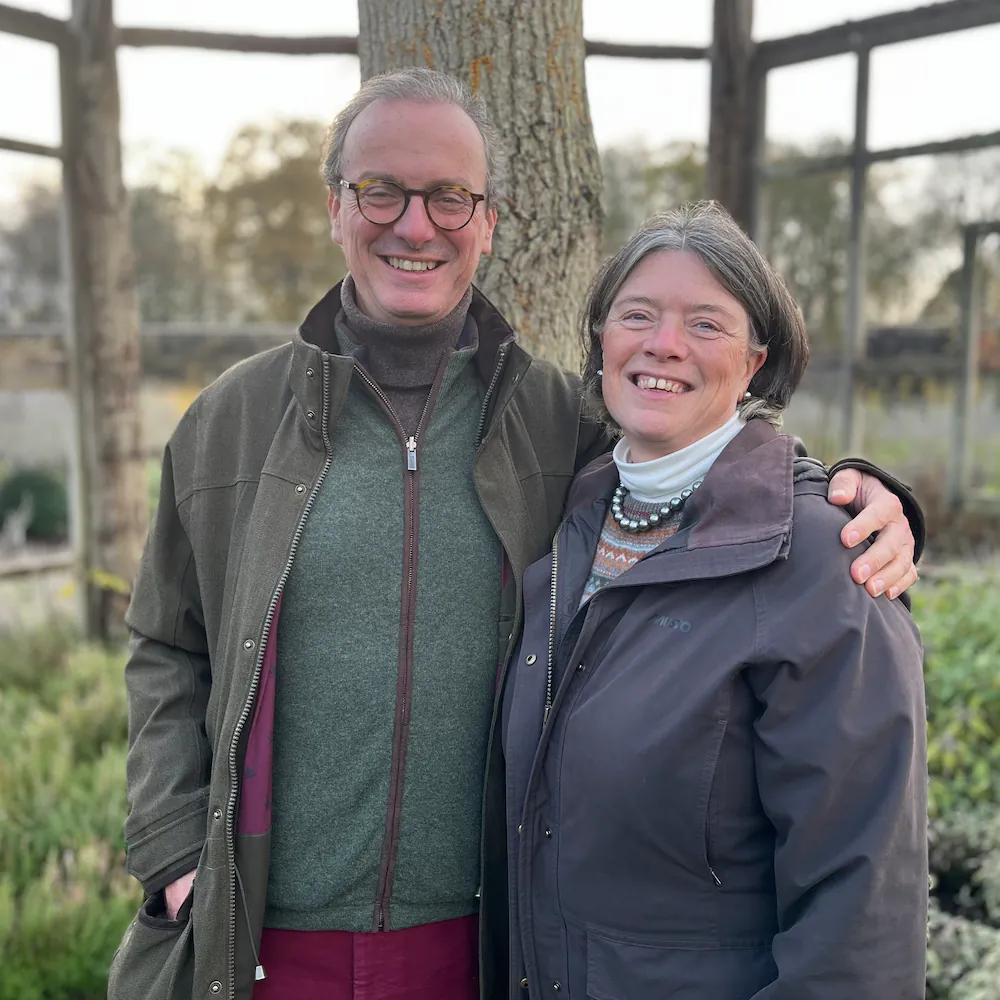
Collacombe is a family farm at Lamerton, near Tavistock in west Devon, in the Tamar Valley National Landscape. Guy and Fiona Kirkwood run it.
The rotation is silage, maize and winter barley, sold as feed to beef and dairy farms nearby. The muck and slurry come back from those same farms. The detail is below.
The farm also makes some of its own power, from biomass and rooftop solar.
Crops, Stock, Soil and People
Every Crop Sold Within Ten Miles
Collacombe grows for its neighbours and nobody else. Every crop leaves the farm for a beef or dairy unit within ten miles, so the haulage is short and the value of the crop stays in the local area. The radius was two miles until a beef and dairy client at Yelverton joined.
The return leg matters as much. Muck and slurry from those farms come back to Collacombe, which turns a one-way sale into a closed loop between a handful of farms.
Chemical Input Costs Down by Two Thirds
The cost of chemical inputs at Collacombe is down by two thirds between the 2021-22 and 2025-26 cropping years. Most of the fall comes from phosphate and potash, because farmyard manure and slurry have cut the need for them to almost zero. Some fertiliser is still needed to maintain yields.
Feeding the soil with local muck and slurry instead of from a bag, and knowing where the shortfalls actually are before spreading anything, is what made the difference. Better soil holds more water and more carbon, which counts for a lot in a changing climate.
Sprays are a different story. Crop protection use has not fallen, and the farm still needs the same volume it did in 2021.
Cattle and Sheep
Collacombe takes in a suckler herd of Red Ruby Devon cattle on bed and breakfast over the winter months, and lets sheep keep across the farm.
Both use buildings and grass that would otherwise sit idle, and neither ties the farm to carrying stock all year round.
Birds and Wildlife
Forty-eight bird species have been recorded on the farm so far, logged with the Merlin Bird ID app from the Cornell Lab of Ornithology.
Wildlife corridors run across the farm, linking hedges, woods and field margins so animals can move without crossing open ground. A herd of roe deer lives here. Red deer pass through, and otters and pine martens have both been recorded.
Water Leaving the Farm
Westcountry Rivers Trust has sampled water quality at Collacombe, working on behalf of FWAG South West and South West Water under the Upstream Thinking programme.
Upstream Thinking pays for advisers to work with farmers in the catchments that supply drinking water, on the argument that it is cheaper to keep sediment and nutrients out of a river than to take them out at the treatment works. The Tamar is one of those catchments, and Collacombe sits in it.
Working at Collacombe
Everyone who works at Collacombe has private health cover, paid for by the farm.
The farm also funds training and further education for its staff, whether or not it is directly about farming. Small farms lose good people to businesses that can offer more. This is how Collacombe competes.
Buying the Farm
Guy and Fiona bought Collacombe on 30 July 2021, next to the house they already lived in. Guy took a post-graduate course at the Royal Agricultural University beforehand, so that he was not starting blind.
Soil Scanning: Assessed, Not Adopted
Collacombe does not use high-resolution soil scanning. Guy assessed one such service, Hutchinsons' TerraMap, as a student at the Royal Agricultural University in 2022 and decided against it.
It works, but it still needs manual lab samples to check the algorithm, it costs £47 a hectare, and almost no farm machinery can act on data at that resolution. Soil here is managed on muck, slurry and ordinary sampling.
Watch the 2022 soil scanning review on YouTubeWriting
Nature Recovery, Farming and Land Use
A policy submission answering ten questions on nature funding, land use, farm support, water quality, biosecurity and species priorities. Guy argues that private capital will not fill the nature funding gap, that farmer clusters already cover four times the area of England's National Nature Reserves, and that certainty for farmers is a contract problem rather than a communications one.
Several answers draw on what happens at Collacombe. Every factual claim carries a source. Written for a Conservative Policy Forum members' consultation in August 2026, by Guy as an individual member from Torridge and Tavistock and not for any organisation.
Read the full submission on nature recovery, farming and land use